
Nick Pizzi
St. Hildegard of Bingen Writing Group
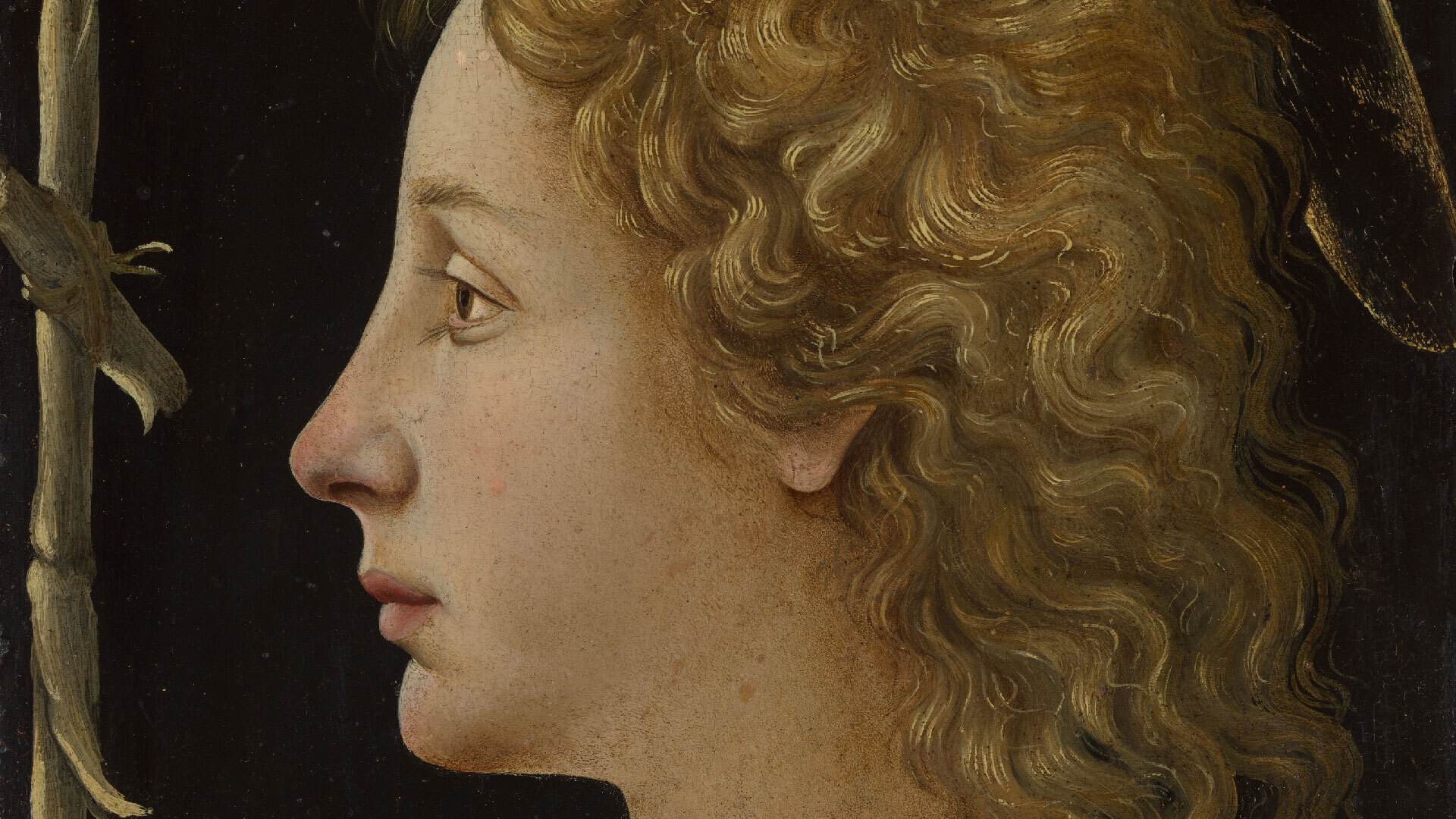
“See, I am sending my messenger ahead of you, who will prepare your way; the voice of one crying out in the wilderness: ‘Prepare the way of the Lord, make his paths straight’” (Mark 1:2–3). With these words, Isaiah foretells the arrival of St. John the Baptist.
Mentioned in all four Gospels, this great evangelizer, messenger, baptizer, and last prophet before Jesus’ ministry could have succumbed to a haughty pridefulness. His birth was announced to Zechariah, his elderly father, and Elizabeth, his barren mother, by an archangel. Massive crowds surrounded him during his public ministry. His popularity was so great that Herod had him imprisoned out of fear, and after his death, mistakenly believed that Jesus was “John the Baptist; he has been raised from the dead” (Matt. 14:2). And, finally, let us not forget the greatest praise from Jesus himself: “Truly I tell you, among those born of women no one has arisen greater than John the Baptist” (Matt. 11:11).
Yet, John eschewed such accolades and praise, for he knew his station with respect to his cousin Jesus. “He must increase, but I must decrease” (John 3:30). The Baptizer chose deference over hubris and conceit.
St. John the Baptist prophesied the arrival of Jesus: “I baptize you with water for repentance, but one who is more powerful than I is coming after me; I am not worthy to carry his sandals. He will baptize you with the Holy Spirit and fire” (Matt. 3:11). When Jesus came from Galilee to be baptized, “John would have prevented him, saying, ‘I need to be baptized by you, and do you come to me?’” (Matt. 3:13–14). Finally, it was John the Baptist who solemnly declared, “Here is the Lamb of God who takes away the sin of the world!” (John 1:29).
St. John the Baptist was a paragon of a life well lived in service to God. His greatness was undergirded by his humility. His attendant confidence allowed him to never shirk his responsibility to speak divine truth to temporal power.
John rebuked the Pharisees and Sadducees when they came to be baptized: “You brood of vipers! Who warned you to flee from the wrath to come? Bear fruit worthy of repentance” (Matt. 3:7–8). Finally, John condemned the powerful Herod’s marriage to his half brother’s wife. For this, John the Baptist was imprisoned and eventually, through deceit, beheaded.
As a prophetic prelude to Jesus Christ, St. John the Baptist was a herald whose clarion call to repentance ushered in a new kingdom: from sacrifice to mercy; from Leviticus and the Law to forgiveness and redemption; from man for the sabbath to the sabbath for man; and from Jewish and pagan religious tribalism to Christ-centred catholicity.
I have a particular love and respect for St. John the Baptist, and I am blessed to share my birthday with his solemn nativity. He is my contemplative touchstone when I pray for humility. When I suffer from the disease of conceit, I turn to the Baptizer as my intercessor to the Lamb of God for the cure. As I pray, I cry out from my own wilderness the realization that “it is no longer I who live, but it is Christ who lives in me” (Gal. 2:20). And as I take in the spiritual medicine of locusts and wild honey, I feel my pride dissolve away and humility retake my soul. So, if you feel yourself succumbing to pridefulness, clad yourself in the Baptizer’s saintly armor of camel’s hair, and through him, ask the Lord to restore your humility, the truest form of spiritual sight.