
When so many Catholic and other Christian filmmakers are working so admirably and achieving so much popular and evangelical success—success, one hastens to add, in an industry whose power players are inimical to everything these filmmakers stand for—it might well seem churlish to point out any limitation in their work.
But when their work contributes, however unwittingly, to the diminution, if not outright abolition, of an entire tradition of filmmaking, then something needs to be said.
My title is inspired by an essay of Evelyn Waugh, “The Lost Art of Cinema,” an essay unpublished in Waugh’s lifetime but happily included in volume 26 of The Complete Works of Evelyn Waugh, edited by Donat Gallagher.
Evelyn Waugh was a great lover of the cinema and a perceptive critic of the art. His fiction was much influenced by the cinema as well, as can be seen in the “cinematic” montage technique he often employed of cutting quickly and without comment from one brief scene to the next.
In “The Lost Art of Cinema,” written around 1930, the year of his conversion, Waugh lamented the rise of the “talkies,” not because he was against talking films per se, but because he feared they would lead—as they have almost entirely succeeded in doing—to the elimination of the silent film. Waugh treasured silent films because they showcased what he perceived as most essential to the cinema: what he calls “the art of moving shapes about.”
Putting artistic considerations to one side, there are more ways than one to skin the evangelical cat.
Waugh’s analysis is fascinating in itself, but my purpose here is not to explore his analysis for its own sake but to use it to lodge an analogous complaint about much contemporary filmmaking made by Catholics and other Christians.
For, similarly to the way in which the talkies unwittingly helped make the art of the silent film nearly obsolete, so too the present, almost exclusive, emphasis by Catholic and other Christian filmmakers on stories drawn from Scripture and the lives of the saints is unwittingly—I stress unwittingly—helping to make other kinds of stories nearly obsolete.
I don’t know the appropriate name for the kinds of cinematic stories I fear we are losing. It’s not quite “profane” or “secular,” because these words suggest there is no relationship between the story and religious concerns. But the kind of cinematic story we don’t see enough of may well have religious, and even sometimes explicitly Catholic, concerns. It just isn’t based directly on Scripture or the life of a saint.
It’s not that I don’t like films based upon Scripture or saints—there are many such films that I enjoy. It’s undeniable that many great films have been adapted from these sources. My aim is not to disparage these works but simply to address an imbalance in the types of stories our contemporary filmmakers are presently choosing to tell.
I understand why Catholic and other Christian filmmakers typically turn to stories from Scripture and the saints. They want to make a cultural impact. They want to touch hearts and minds. So, why not adapt one of the powerful stories featuring a great hero or heroine of Christianity?
I recognize that, on an absolute scale of truth, beauty, and goodness, the biblical narrative is primary, closely followed by the lives of the saints.
But I also recognize that, putting artistic considerations to one side, there are more ways than one to skin the evangelical cat. Not every film and television lover responds, at least immediately, to even the best-made adaptations from Scripture and the lives of the saints.
Besides, the tastes of so many in our culture have been formed on very different kinds of stories. Most people, when they go to the multiplex or turn on Netflix—and among “most people” I count most Christians, including most every priest I’ve ever met—settle in for a contemporary drama or broad comedy, a sci-fi or dystopian adventure, a psychological thriller or cozy mystery.
Why not try to meet most people where they are by playing upon the tastes they already have?
I’m not suggesting that Catholic and other Christian filmmakers pander. Of course there is a lot of junk out there, and we don’t want to add to it. But why not try to elevate the more popular film and TV genres?
Consider this also: Christ himself, when he employed storytelling to touch hearts and minds, did not exclusively turn to the great tales of the Old Testament to accomplish his task. He turned to the everyday lives of the folks he was addressing. He told them stories based upon their own first-century Jewish experience: stories about farmers, fishermen, widows, fathers and sons, even beaten-up-and-left-for-dead victims rescued by Samaritans.
Contemporary Catholic fiction writers provide a nice model for the kind of filmmaking I want to encourage. The ones I know are deeply committed to writing from a Catholic imagination. But they are doing so in genres and styles that can speak to readers who might never engage with a story based upon Scripture or the life of a saint.
So, when I talk about the “lost art of Catholic cinema,” I’m not denying that there are Catholic filmmakers today doing good and interesting things. I’m talking about the way in which the disproportionate emphasis upon a certain kind of story is neglecting the power of other kinds of story.
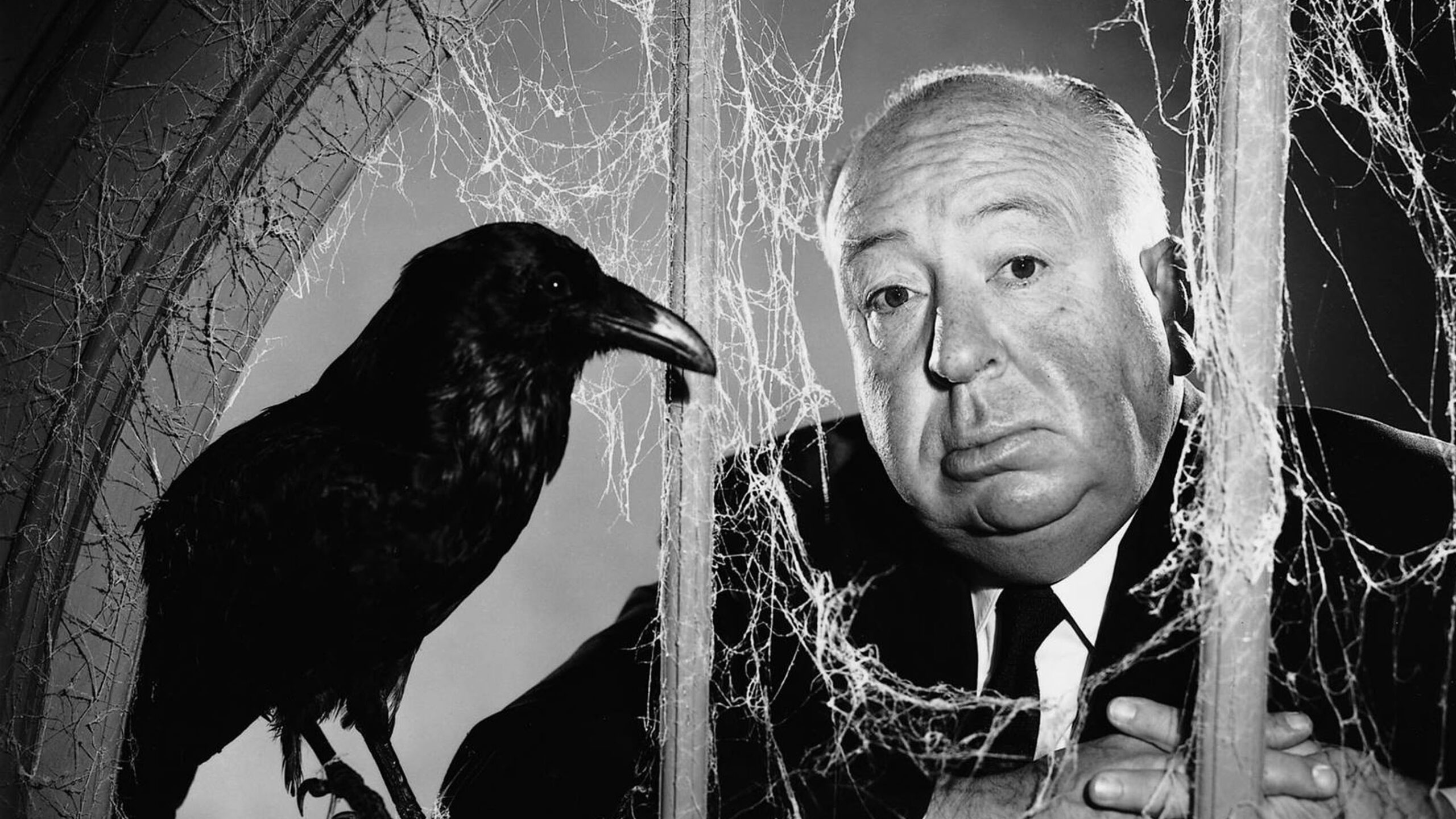
Once upon a time, some of the greatest films in Hollywood history were directed by the Catholics John Ford, Frank Capra, and Alfred Hitchcock. They made Westerns, dramas, and thrillers that captivated millions.
Perhaps today we could profit from their example.