
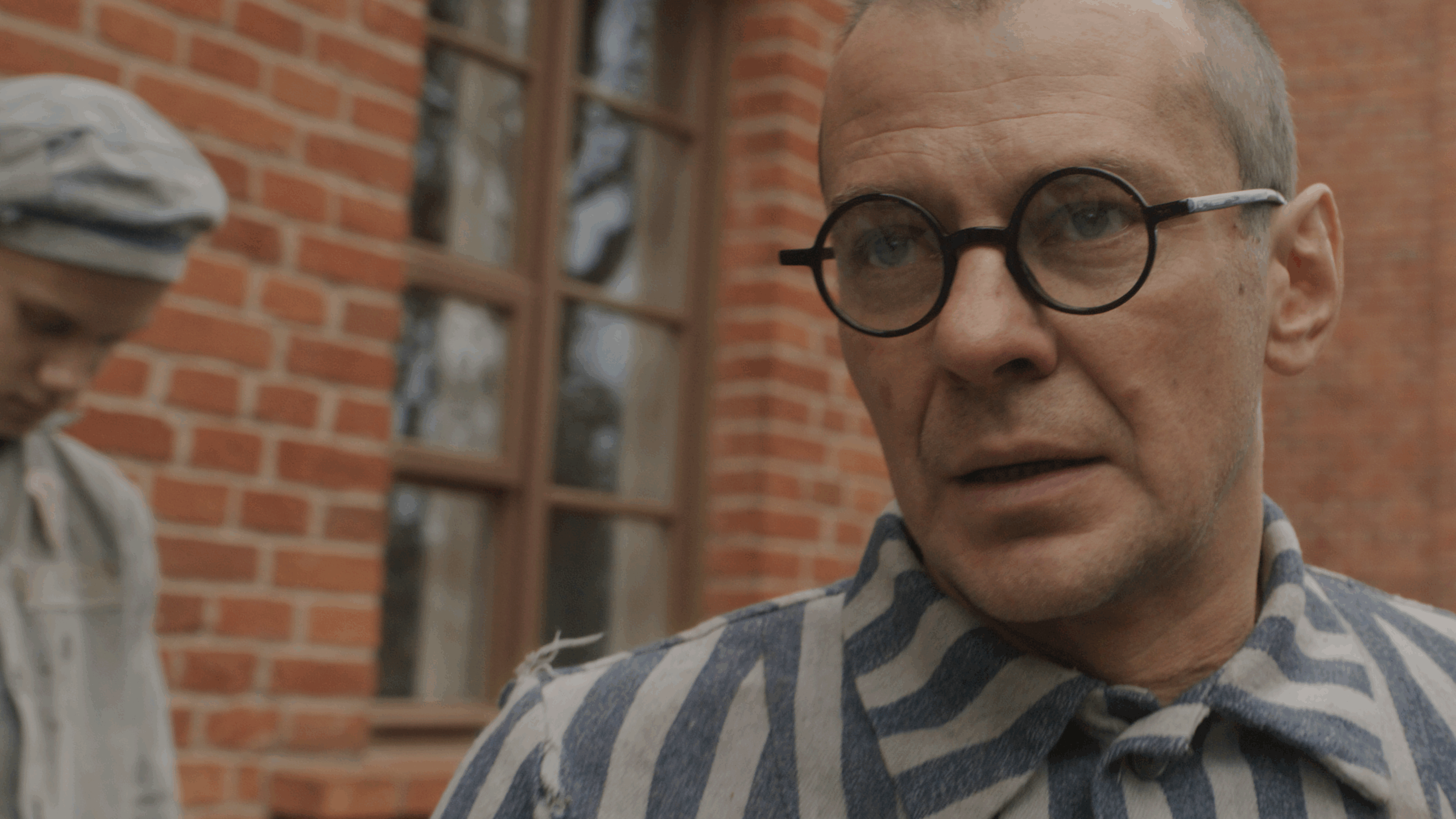
If you were raised Catholic—especially with Polish blood in your veins or Polish traditions in your church—chances are you’re familiar with the story of Saint Maximilian Kolbe’s martyrdom in Auschwitz. When ten prisoners were selected to be starved to death—a collective punishment and warning after one prisoner had escaped—one of the men, a husband and father, broke down begging for his life. Kolbe, a Polish Franciscan priest, offered his own life in the man’s place. Fourteen days later, Kolbe and the few other men still alive were executed by lethal injection.
Retellings of the story typically focus on Kolbe’s heroic act of exchange (“I am a Catholic priest,” he said, stepping forward; “let me take his place”) and on the good end of the man he saved (who not only survived Auschwitz but also lived to be ninety-five years old). But what of the other nine men condemned to death and those hellish fourteen days locked together without food or water? We know that Kolbe led the men in prayer and song. But what awful crises of faith and hope—and of hunger and thirst—might have preceded and permeated those sounds from the cell? What kind of temptations might Kolbe himself have faced?
This descent into darkness is the focus of a phenomenal new crowdfunded film from Anthony D’Ambrosio titled Triumph of the Heart (in theaters September 12). The film’s narrative rawness (it opens with a clear warning about graphic content), emotional intensity, and cinematic sophistication will justly draw comparisons to other faith-based movies about sanctity in the face of suffering and certain death—titles like A Hidden Life, Silence, and Of Gods and Men.
D’Ambrosio wastes no time in plunging us headfirst into that dramatic exchange in Auschwitz. But our frame of reference is not Kolbe but Albert, one of the ten men selected for death—a man who left behind the love of his life to serve in the war. Right from this chilling opening sequence, Triumph of the Heart drives us into a ruthless realism, consciously resisting any cartoonish images of this extraordinary act of selflessness. Indeed, Kolbe’s body language as he steps forward speaks of ordinary human weakness, exhaustion, and fear—even self-doubt. In the opening flashback, Albert rehearses an adventure story to his girl and corrects her saying, “That’s not how the story goes”—a line that hovers over the whole of the film and its challenging approach to hagiography.
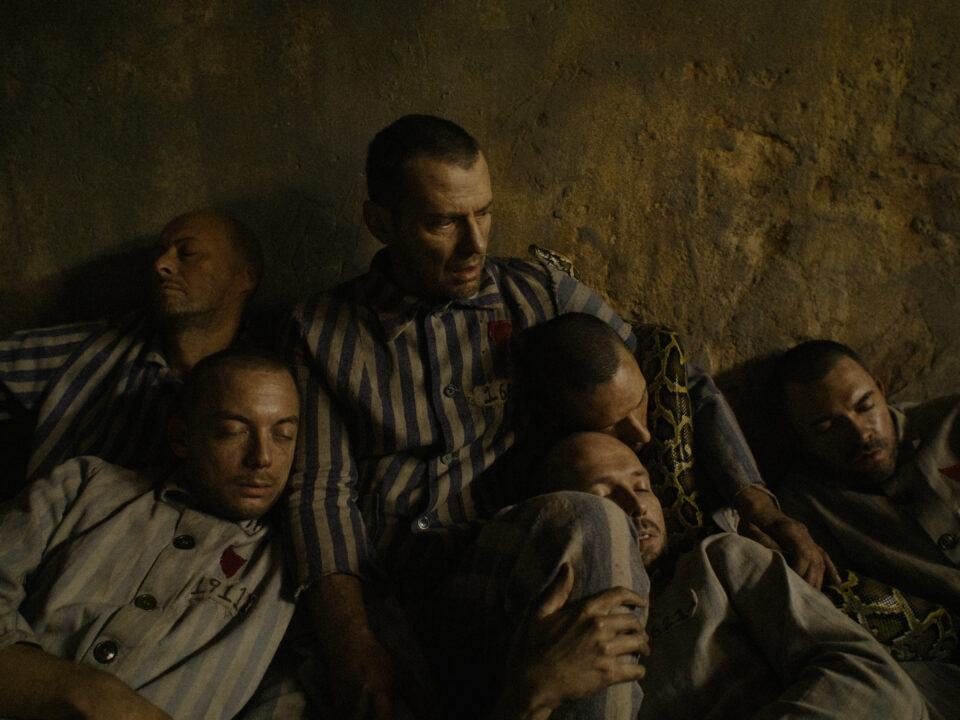
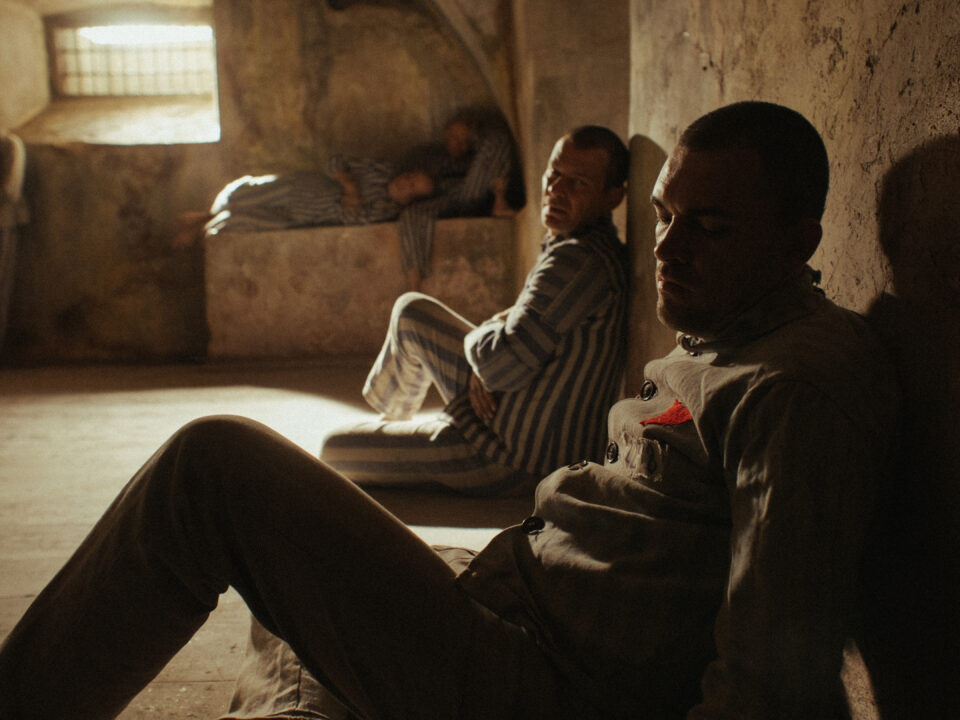
The men are corralled into their dark, cold, empty cell—simultaneously a torture chamber and slaughter bench—and almost immediately, darkness descends. “There’s nothing dignified about this death,” one of the prisoners laments. “Nothing.” There is talk of them losing their minds from the loss of food and water, and of being tempted toward suicide, murder, and even cannibalism. In fact, the only object in the cell is a sharp rock left behind by the prison guards as a kind of taunt and enticement toward their baser instincts. When a rat scuttles across the floor, the men desperately try to catch it—not out of disgust but out of desperate hunger. And all of this in just the first twenty-four hours.
How is Kolbe, a holy priest renowned for his evangelical work in radio and print, to meet this desperate situation—never mind shepherd these desperate men? He lays his cards on the table right away: “We’re dying, yes. But we don’t have to die like animals. We can die as man if we fix our eyes on God.” Just as quickly, the men resist. “God is dead,” one responds. Later, Albert challenges him, “Where have you been these past two years to believe in heaven—or God?” In a curious echo of 12 Angry Men, Kolbe stands alone in a room of men set against him—but here, it’s the saint and his God who are in the dock, and he makes his case with the faith, hope, and love still burning in his heart. The few Scripture passages quoted in the film are telling: the Shema, the book of Job, the lamentation of Psalm 88, the cry of Christ from the cross (“My God, my God, why have you abandoned me?”). This is a stark confrontation between faith in God and pure human suffering.
He speaks words of peace, encouragement, forgiveness. Grace pierces through the darkness like shafts of light.
Kolbe’s ministry doesn’t come easy; on the contrary, as the men’s anguish intensifies over the course of the next several days, so does Kolbe’s wrenching open of his own heart—and the men’s responses, both positive and negative, in return. D’Ambrosio creatively imagines the room as a representative sampling of some of the communities rounded up in Auschwitz—a few soldiers, a few Jewish men, a man of social influence, a communist—and Kolbe’s accompaniment as a gradual, humble journey of ascending steps. The priest risks a smile (inviting them to join his own militia of the Immaculata), then a lullaby (the Salve Regina); he gets them talking and thinking. He speaks words of peace, encouragement, forgiveness. Grace pierces through the darkness like shafts of light. These men are desperate for water—but even more so, this spiritual father knows, for living water.
Kolbe is met with doubt and scorn at every turn: Is this all just a pious act? Do his words even matter? We even sense Kolbe’s own internal struggle: D’Ambrosio portrays him as a man haunted by his own regrets and dogged by his own hesitations. Yet Kolbe persists—steady but never Stoic, heroic but achingly human.
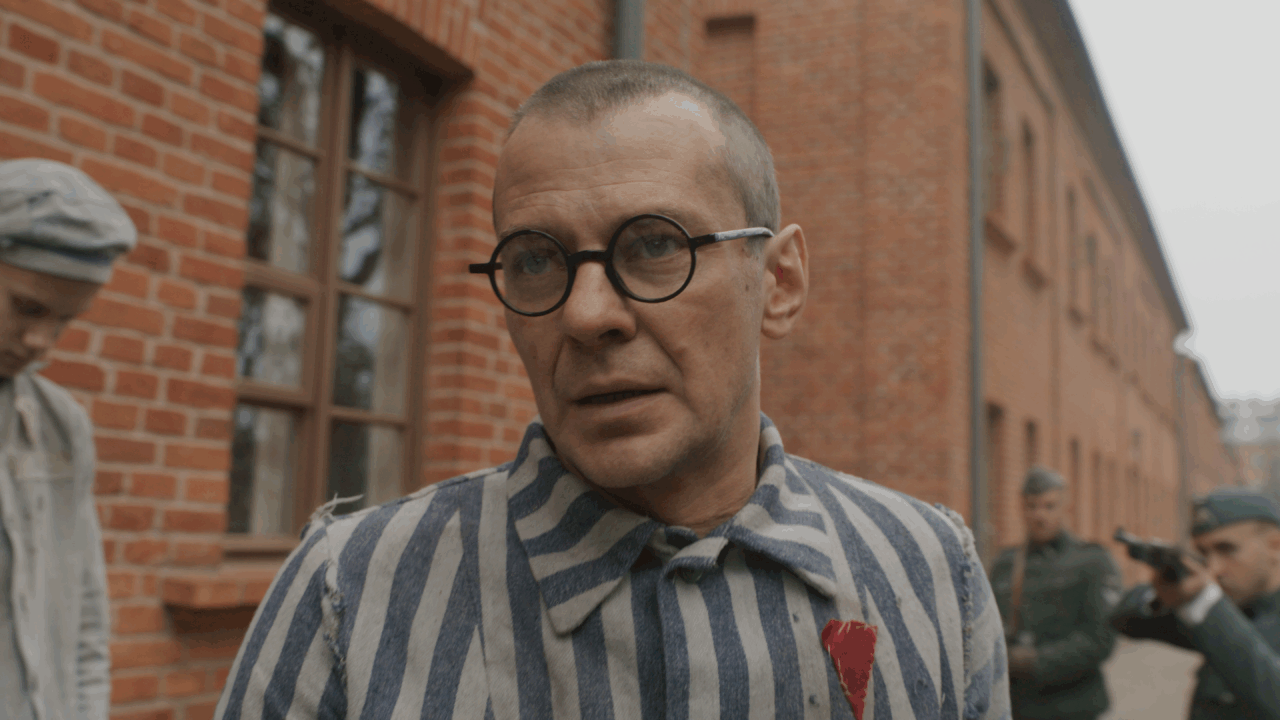
That persistence baffles Kolbe’s antagonist, the flinty SS official Karl Fritzsch. “I want to watch this priest’s will to live break,” he declares early on. But as these men continue to hold on, and begin to inspire the Polish people outside, his agitation mounts. Horrific violence unfolds outside the cell, but Fritzsch presses upon the cell with violence of his own—first psychological but eventually also physical—taking this cruciform journey into its darkest depths.
As the film reaches its climax, the imagery becomes increasingly sacramental and even mystical. D’Ambrosio’s direction and cinematography shows the influence of Terrence Malick, making abundant use of dreams and visions, voiceovers and whispers, flashbacks and even a flashforward. But his vision is original—more spiritual than philosophical, and more moral than metaphysical. “Love is the realest thing,” Maximilian counsels. “No one can take that from us. Even now.” Is this love the ultimate victory or the ultimate defeat? Stronger than death or death’s plaything? The answer of Triumph of the Heart hinges utterly on the reality of the spiritual dimension glimpsed here below. Visions of the scarred Lady of Czestochowa, of a serpent winding its way around the men, and even, in one jarring image, of a pensive Christ, culminate in the men’s journey “into death—and beyond it.”
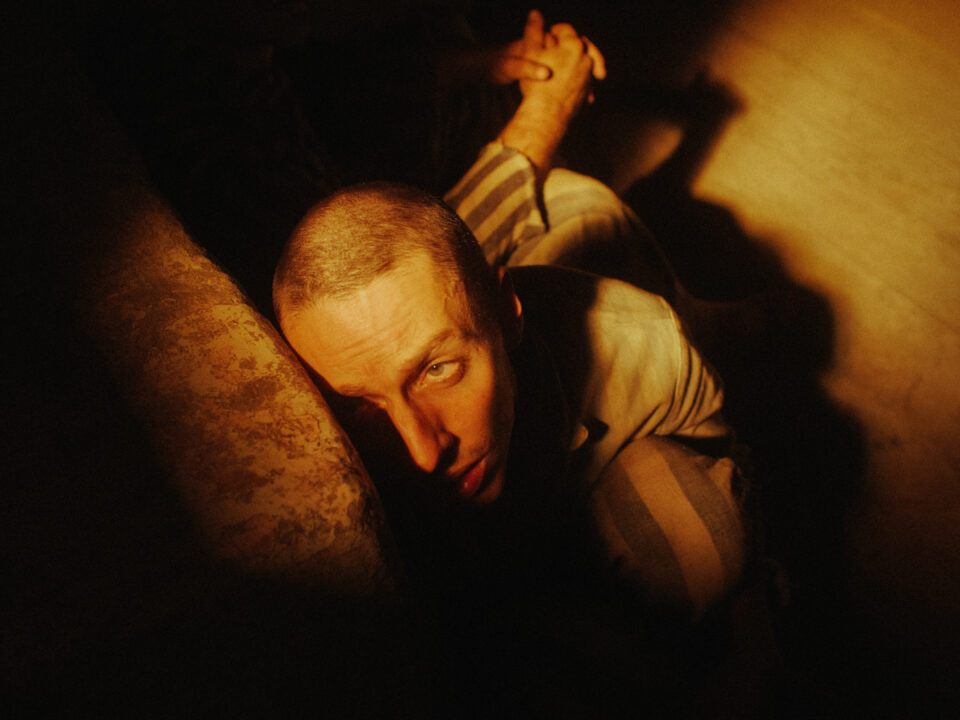
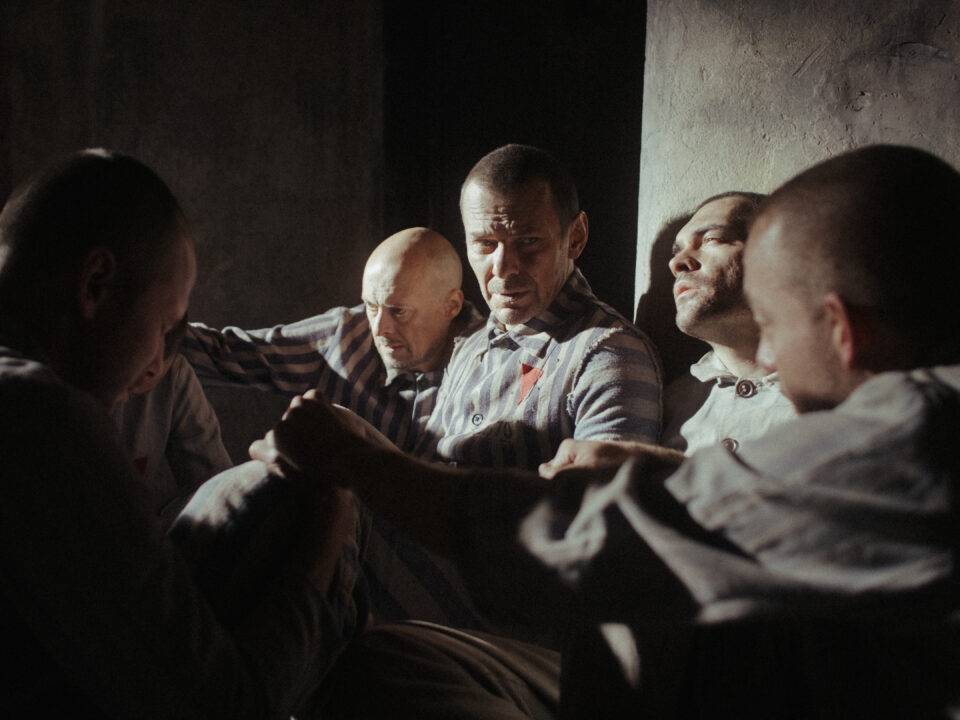
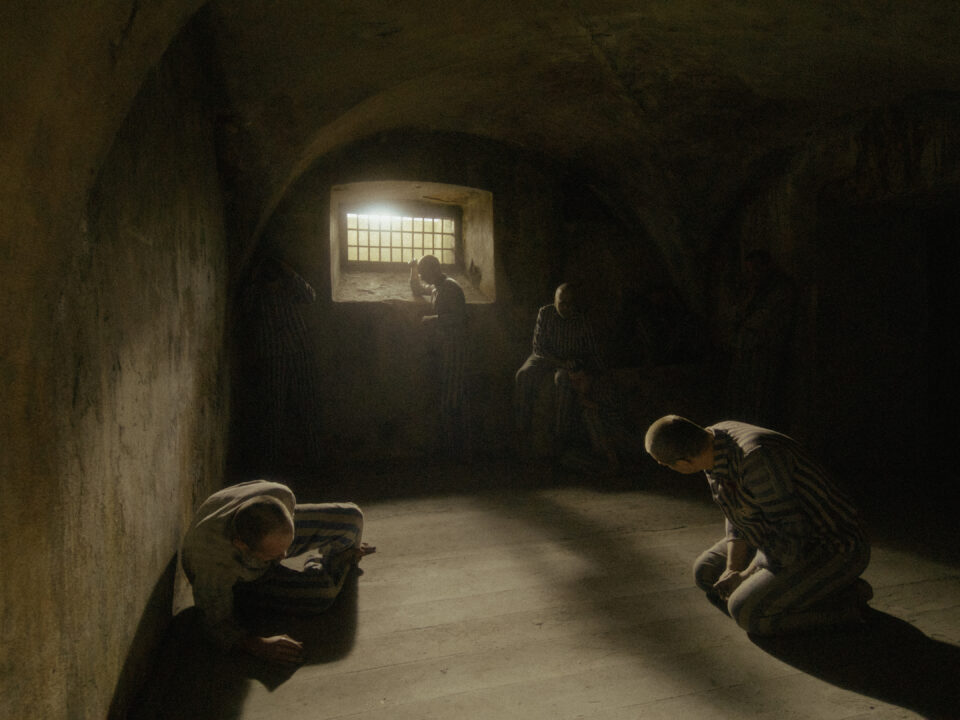
The religious poetry of the film, especially the ending—D’Ambrosio gambles with a vivid collision of emotions, and it’s a gamble that pays off—is all the more meaningful in light of the director’s own spiritual journey. D’Ambrosio has admitted that this film emerged out of his own unique “deconstruction” of faith: Having been immersed in Catholic circles all his life, he was blindsided by a sudden and complete loss of faith after a personal crisis. But he gradually returned—and it was a prolonged meditation on Kolbe’s story that drew him back.
The artistic result is both faithful and searching, both hopeful and brutal—an unforgettable ode to Christian love in the face of man’s inhumanity to man.