
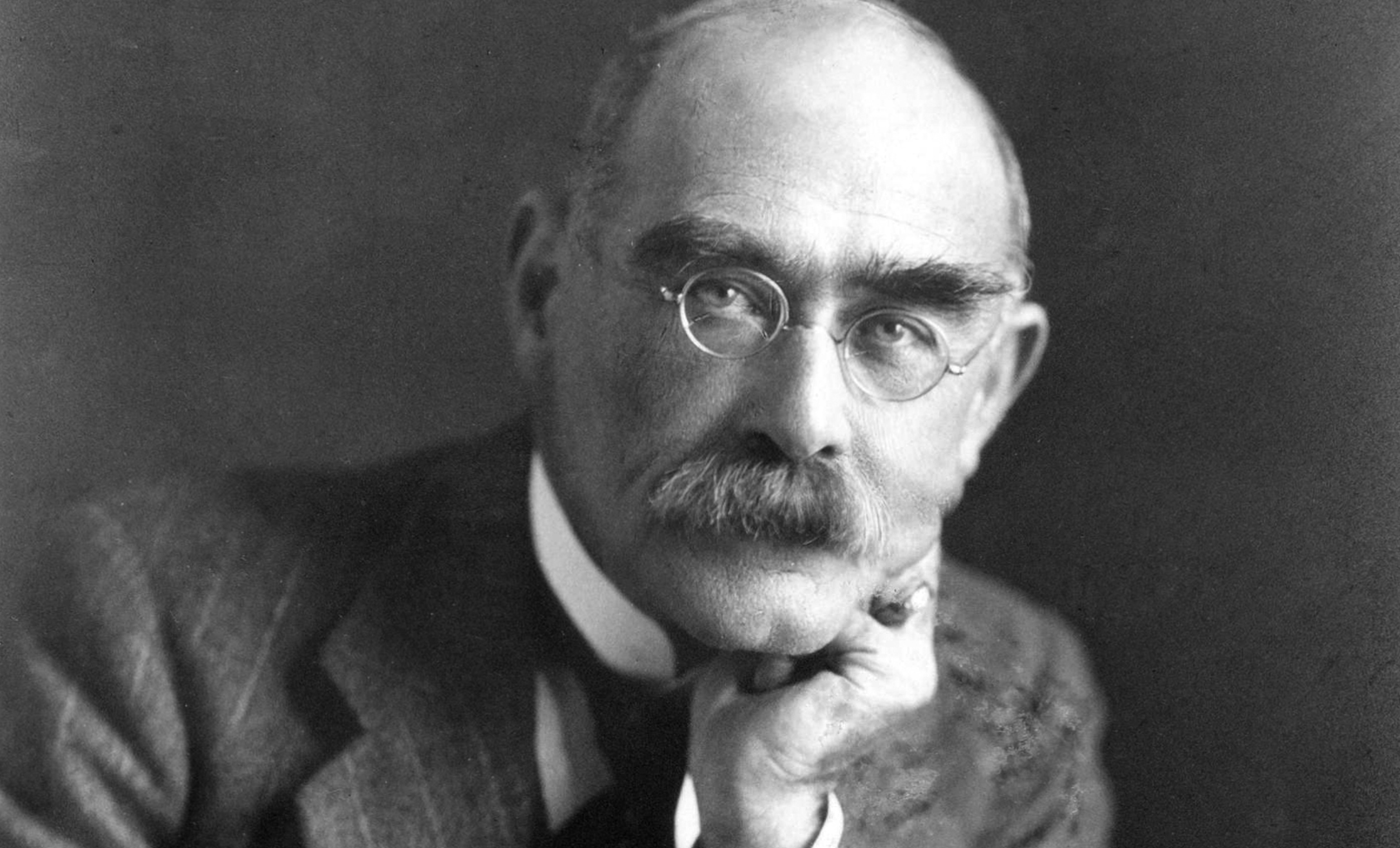
In his famous poem “If,” Rudyard Kipling’s narrator says to his son that if he can achieve certain things, then he would be a man. If he can keep his head, if he can trust himself, if he can behave a certain way, then manhood and success would surely be his. While this poem reveals a certain undeniable wisdom, it also naturally gives rise to the thorny question that many of us men ask ourselves from time to time: What if I can’t? What if I can’t trust myself? What if I can’t bear to “lose, and start again at [my] beginning?” (line 19). Am I then not a man?
These questions find a beautiful expression in the 2024 film Unsung Hero. This movie is one that I now widely recommend to my male friends who are considering marriage or are newly married. This true story follows the Smallbone family as they leave Australia after a ruinous financial decision by the father, David. Although the titular character and the real unsung hero of the story is the wife and mother, Helen, it is a poignant depiction of the anxiety that faces men who do not know if they can be a good man, husband, or father. The film is also filled with stirring music written by the band For King + Country.
Pursuing an employment opportunity, David and Helen move with their seven children to America. Ultimately disappointed in his job, David must face challenges that will resonate with many men in today’s milieu. Unemployment, the disappointment of children, the death of a father, and a sense of unworthiness are just a few of these challenges. In the midst of all this, perhaps the most difficult battle David faces is against his own pride. This is not the hubris of success and recognition but the grasping and painful rebellion against the slow realization that he is unable to provide for and protect his family as he feels he ought to. David is not able to solve these challenges by himself. Instead, he becomes necessarily dependent in various ways on the generosity of his neighbors and on God. His pride rebels.
It is by bringing our sins and weaknesses to the light that we allow our pride to be taken away and replaced by the peace of surrender.
Throughout the film, David’s father seeks to encourage him by their tradition of quoting bits of Kipling’s poem “If.” Though separated by half a world, his father seeks to motivate and remind David to “dream—and not make dreams your master” and to “wait and not be tired by waiting.” Yet as the disappointments compile and David reaches the limits of his endurance, in his frustration and anxiety he eventually refuses to accept his father’s encouragement. Tragically, his father dies soon after and David is unable even to fly home for the funeral. David seems to be constantly stuck on the wrong side of every if.
In a series of sequences that are built throughout the film, we are given insight into three valuable lessons.
1. There may come times in a man’s life when the ifs of life seem completely overwhelming.
Recent psychological research is showing that uncertainty can be a significant contributing factor to negative mental health. This seems to hold particularly true of youth and men. In Unsung Hero, we see that ifs are not only uncertainty about future outcomes but the terrible question of what does it mean if I fail? Since so many men are told that success and self-mastery are the proofs of manhood, it is unsurprising that failure and weakness can become almost existential crises for men. We should not be surprised when men come to face moments of uncertainty in themselves and their abilities.
What this movie depicts so beautifully is that when we do experience failure and loss, there can be a path forward even if we do not initially respond as we ought. We do not lose all hope of grace, good, and God. In the movie, David initially overcomes a very significant career and financial setback, yet when his stoic response does not lead to “the Earth and all that is in it” (line 31), he becomes frustrated, angry, and self-pitying. It is here that the real crisis occurs.
2. Pride is just as insidious an enemy when we seem to have nothing left.
At the height of his loss and frustrations, David is confronted in a climactic argument by his ever-loving wife, Helen: “You’re not protecting her [their daughter]. You’re protecting your pride.” She calls out in him what he is clinging to so desperately in the face of disappointment. Confronted by the loss of so many dreams and attachments, often good in and of themselves, pride presents itself as a false bulwark against the void that seems to loom in David’s life. This has become a common cry in popular culture: “Even if I lose everything, at least I have my dignity. I went out on my own terms.”
Aquinas teaches that pride is “the beginning of sin,” and in this movie, we see what happens when everything is stripped away and pride is backed into a tight corner. David lashes out in anger, and with his words, he wounds his family. Ultimately, however, pride is no true defense against loss and disappointment, and we see David eventually brought so low that he retreats to his bed, unable to help his family or even to get up.
3. It is important to acknowledge to ourselves and confess to others our weaknesses and the areas where we feel unable to be a good man.
Aware of all his faults and failings, David is finally stirred by the love of his wife and the lyrics of a song written by his daughter: “You make everything, everything beautiful. You make everything, everything new.” He comes out of his dark room into the light of day, acknowledging his mistakes to his children and asking for their forgiveness. In gratitude, he takes a step of humility and action that leads toward the beautiful resolution of the film.
The humility of confession shows itself as a true antidote to the bitter pill of pride. As this movie shows, swallowing your pride (that is, simply forcing it down) does not lead to true humility and freedom. Rather, it is by bringing our sins and weaknesses to the light that we allow our pride to be taken away and replaced by the peace of surrender. It is in receiving every gift and our very identity from God that we can hope to hear from our heavenly Father, “You’ll be a Man, my son!” (line 24).