
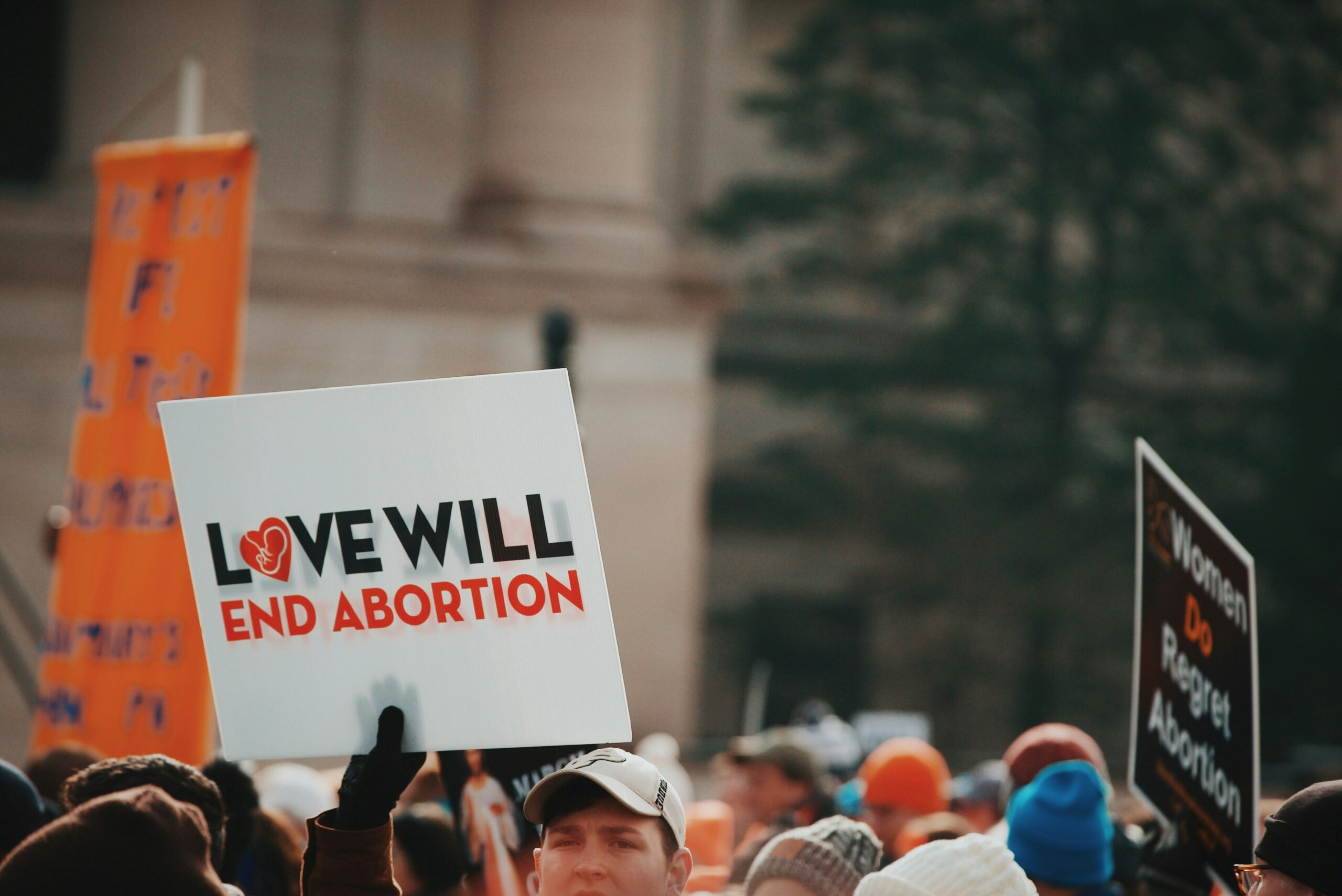
On the eve of November elections, surveys indicate Americans’ economic concerns, including the cost of groceries, gas, and other living expenses, will predominate when they go to the polls. Yet nearly half of American voters say that abortion will be a “very important” issue to them come election day. And indeed, abortion is on the ballot in a handful of states that could determine the fate of thousands of babies in the coming years.
Since 2022, eleven states have established state constitutional rights to abortion: California, Michigan, Vermont, Arizona, Colorado, Maryland, Missouri, Montana, New York, Ohio, and Nevada. Meanwhile, in only three states were pro-abortion pushes to amend the constitution defeated: Florida, Nebraska, and South Dakota. A few other states have considered initiatives related to whether their constitutions should be interpreted to protect the right to abortion. Overall, the pro-abortion win rate in the post-Dobbs era has been 78.5 percent, with several wins in “purple” and “red” states. Money is a factor: In 2024 alone, pro-abortion forces outspent pro-life forces six to one. Clearly, in a post-Roe world, the pro-life movement has its work cut out for it. In 2026, four more state abortion initiatives are on the ballot in Nevada, Virginia, Idaho, and Missouri.
In Nevada, abortion is currently lawful up to twenty-four weeks. If Question 6 were approved, Nevada would embrace abortion extremism. It would establish abortion as a fundamental right that can only be limited by a “compelling state interest,” which is defined narrowly to include only the mother’s life or health. The language mentions fetal viability, but this is a mere fig leaf, since the abortion right can be asserted after viability if the “life or health” of the mother is at stake, which can include “psychological” health (a fuzzy idea that harkens back to Roe v. Wade’s companion case, Doe v. Bolton, which is broad enough to encompass emotional distress). In short, if this constitutional amendment is passed, Nevada would join the Wild West of the most extreme pro-choice States where abortion-on-demand is entrenched as a fundamental right.
Abortion, the intentional killing of an unborn child as an end or a means is never “care.”
In Virginia, voters will similarly have to decide for or against abortion extremism in Question 1, the “Right to Reproductive Freedom Amendment.” The pro-abortion framing of this initiative is notable for its peculiar “mixture of vagueness and sheer incompetence,” which George Orwell observed had become characteristic of English political writing by the mid-twentieth century. No one contests the negative right of adults to reproduce, unmolested by the state. At the moment of conception, reproduction has occurred, and therefore, the right to reproduce is protected everywhere in America, since all states permit freely consenting adults to conceive or not to conceive. In a bit broader sense, reproductive freedom could also include, as Question 1 does, the right to determine one’s “prenatal care” and “postpartum care.” But Question 1 absurdly lumps these rights in with “abortion care.” Abortion, the intentional killing of an unborn child as an end or a means is never “care.” Nor is it an aspect of “reproductive freedom,” which in the overwhelming majority of cases was already exercised (excepting, e.g., conception by rape). No matter the circumstances of conception, it is always and everywhere a harm that destroys a human life.
Idaho’s Proposition 1 is a bit different. It is a citizen-initiated ballot measure (they had to collect about 70,000 signatures), which would establish a more qualified right to abortion than in Nevada and Virginia in that it would permit abortions after fetal viability only in “medical emergencies.” This is a more restrictive standard since presumably a sixteen-year-old girl anxious about fitting into her prom dress would not constitute a medical emergency. Yet like Virginia and Nevada, Proposition 1’s right to “reproductive freedom” is guaranteed to every person, which includes minors, and therefore extends a right to minors to get abortions without parental consent.

This is one of the more insidious features of the militant pro-abortion measures of 2026. They strike at the heart of the family not only through the nascent maternal bond of pregnant young women, but at the cords of love and honor that bind them to their parents.
Finally, Missourians will consider whether to repeal Amendment 3, in which voters very narrowly established a constitutional right to abortion in 2024. Since then, all manner of restrictions on abortion have been struck down, including modest restrictions that had been on the books in Missouri for a long time before Dobbs, including waiting periods and informed consent. This underscores the truth about abortion activists. They aren’t really “pro-choice,” because that would imply that they would want women to have all the information before making such a monumental decision as a tragic if “necessary” evil. Abortion activists are pro-abortion because they view abortion as a positive good. Indeed, much abortion advocacy adopts pseudosacral language and behavior, which makes sense once we understand it as a sacrifice to the false god of sexual satisfaction.
While the United States is not yet the culture of life that John Paul II called upon the faithful to build, neither is America on the whole a radical culture of death that pro-abortion forces wish it to be. But Americans need to wake up and take notice of the big-money campaign of lies and deception that seeks to metastasize the culture of death one state at a time.