
There isn’t a politician, on the left or the right, who would publicly deny that the moral measure of a society is how it treats its most vulnerable members.
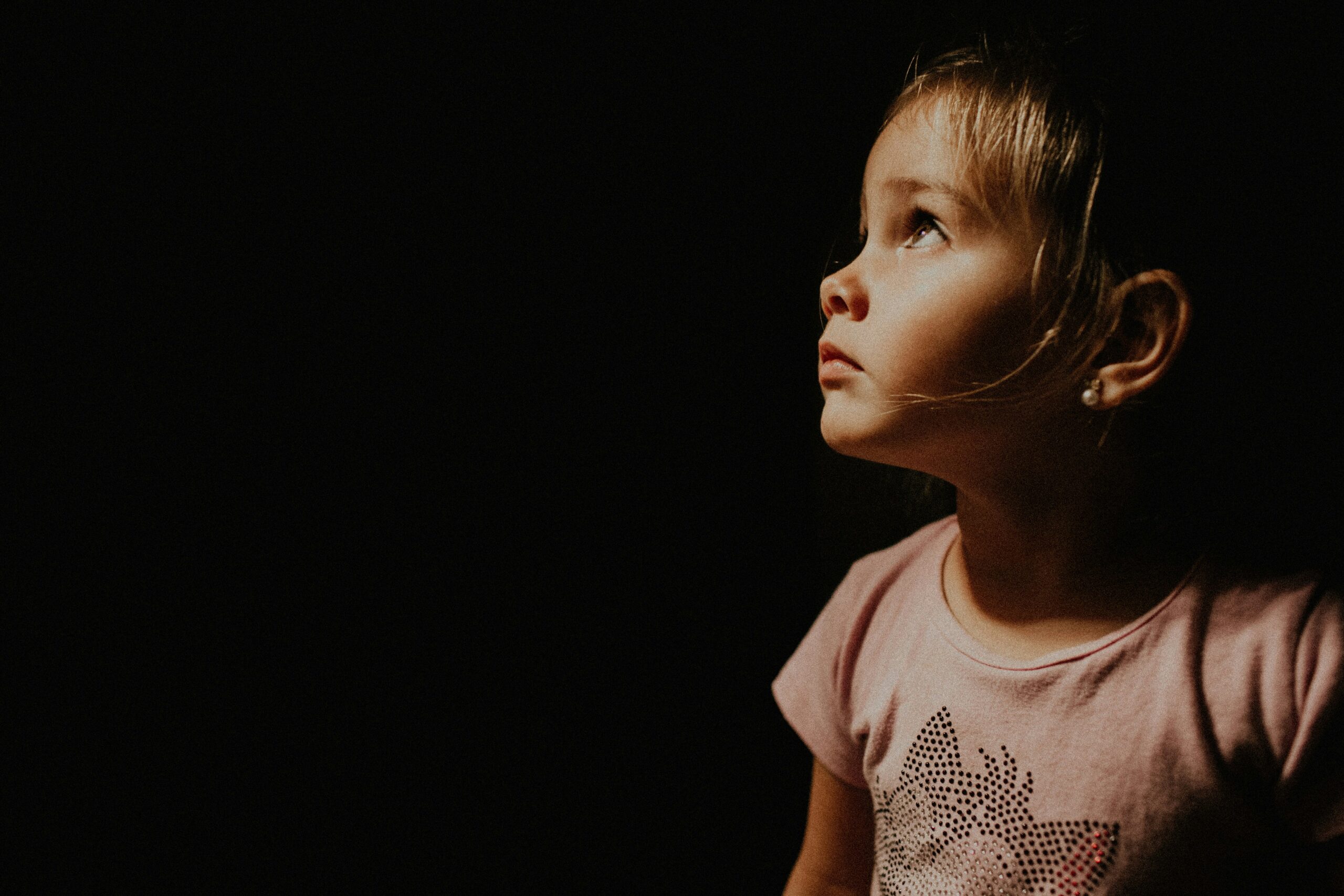
Children are the largest group of vulnerable people. They cannot care for themselves by definition. A more specific formulation of the standard would therefore be, the moral measure of a society is how well it treats its children.
How do we hold up?
In a word, shamefully.
Since the end of child labor, there hasn’t been a time in our nation’s history when public policies and attitudes have been more hostile to children. It starts in the womb: Every child conceived in the United States has a 20 percent chance of being chemically or mechanically aborted. That’s one in five kids (though some stats put it closer to one in four).
Of the 75–80 percent of children who make it past birth, about 25 percent grow up in a single-parent household, which contributes to a much higher probability that they will be sexually abused and/or neglected in ways that lead to poorer health (especially mental health), lower educational outcomes, and a much higher chance of ending up in prison. The data on this are unequivocal: Despite the strange cultural celebration of single parenthood (especially single motherhood), growing up without a mother or father in the home makes life much harder for children.
Since the end of child labor, there hasn’t been a time in our nation’s history when public policies and attitudes have been more hostile to children.
Whatever their living situation, 90 percent of children attend public schools. Over ten percent of these students fail to make it through the twelfth grade. Of those who do graduate, roughly two‑thirds—over 60 percent—score below “proficient” in reading and math. Many then go to college where they often take on over a hundred thousand dollars of debt for, at best, questionable gains in knowledge and skill. Many more will leave high school and enter the job market functionally illiterate, all while the rise of AI scrambles the future of work itself.
These troubling numbers correlate with economic indicators; the poorer families are, the more they tend to experience these bad outcomes. However, other policies hurt children from all economic backgrounds. For example, despite pushback from the current administration, numerous school districts still permit boys to compete in girls sports, stripping young women of awards and forcing them to share intimate changing spaces with sexually mature males. Many schools also continue to peddle the toxic lie that it is possible to be “trapped in the wrong body.”
More generally, both public and private schools often resemble ideological training and enforcement camps rather than educational institutions.
Progressive ideology produces many of these ills. But there’s one gaping source of harm in which both liberals and conservatives share blame: a wildly ballooning deficit that robs future generations of fiscal stability and, consequently, the conditions for economic prosperity. Social security stands closest to the budgetary cliff; the program’s reserve funds are expected to run dry within a decade. However, current deficit spending threatens every dimension of the public good for the next generations. In its current trajectory, the debt-to-GDP ratio will be 150 percent by around 2050, meaning our national debt will be 50 percent higher than the output of our entire economy.
How will our children pay for that, especially as the cost of living continues to rise? Nobody seems to have a workable plan.
No wonder young people have a grim view of both the present and future. In the aggregate, it’s bleak. They aren’t “blackpilling” or celebrating pessimism. They’re taking reality seriously.

But none of it has to be this way. Every statistic results from a choice: parents choosing to deny their children the right to life and a stable home; schools choosing to pander to teachers’ financial interests and pet political projects rather than instructing students how to read, write, and reason (if there is any doubt well-governed public schools can still provide good education even in poor communities, just look at Mississippi’s great success); both parents and school officials cowardly submitting to the aggressively loud but numerically minuscule transgender lobby out of fear of being called a mean name; and adults from across the political spectrum engaged in childishly magical thinking that current deficit spending will somehow fix itself.
The motivations for these choices are just as craven as the choices themselves: my career, my love life; my comfort; my freedom; my plans; my free time; my fear of ostracism; my leisurely retirement; my sense of self-righteousness; my neighborhood (and to hell with the others); my benefits; my political party.
My truth.
And who foots the bill for our collective narcissism? The most vulnerable and innocent among us, the perfect sacrificial victim for America’s fastest growing religion—self-worship.
A version of this article first appeared on the Washington Examiner.